


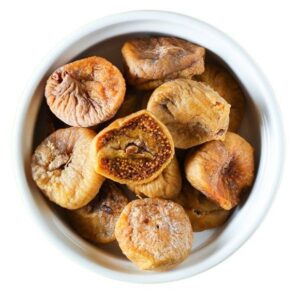
There’s something timeless about dried figs. These wrinkled, honey-sweet jewels have been nourishing civilizations for thousands of years, from the ancient Mediterranean to the Middle East. Today, they’re experiencing a well-deserved renaissance as health-conscious consumers rediscover what our ancestors always knew: dried figs are one of nature’s most perfect foods.
Whether you’re looking for a natural energy boost, a digestive health ally, or simply a delicious snack that satisfies your sweet tooth without processed sugar, dried figs deliver on every front. Let’s explore why this humble fruit deserves superstar status in your pantry.
What Are Dried Figs?
Figs are one of the oldest cultivated fruits in human history, with evidence of their consumption dating back to 5000 BC. Fresh figs are delicate, seasonal fruits with a short shelf life. Drying them concentrates their natural sugars, intensifies their flavor, and transforms them into a shelf-stable superfood that can be enjoyed year-round.
The most common varieties you’ll find are Black Mission figs, Calimyrna (golden) figs, and Turkish or Smyrna figs. Each offers slightly different flavor profiles—from rich and molasses-like to light and nutty—but all share the same impressive nutritional profile.
Nutritional Powerhouse in a Small Package
Don’t let their size fool you. Just a handful of dried figs packs an impressive nutritional punch. A typical serving of about 100 grams (roughly 4-5 figs) contains:
- Calories: 249
- Fiber: 9.8 grams (about 35% of your daily needs)
- Potassium: 680 mg (15% of daily value)
- Calcium: 162 mg (16% of daily value)
- Iron: 2.03 mg (11% of daily value)
- Magnesium: 68 mg (17% of daily value)
- Natural sugars: 47.9 grams
What makes dried figs truly special is their mineral density. They’re particularly rich in calcium and potassium—two minerals that many people struggle to get enough of in their modern diets. Unlike processed snacks that offer empty calories, every bite of a dried fig delivers genuine nourishment.
10 Science-Backed Health Benefits of Dried Figs
1. Digestive Health Champion
The high fiber content in dried figs makes them exceptional for digestive health. They contain both soluble and insoluble fiber, which work together to promote regular bowel movements, prevent constipation, and support a healthy gut microbiome. Studies have shown that figs can be as effective as some over-the-counter laxatives for relieving constipation, but without the harsh side effects.
2. Bone Strength Builder
With more calcium per serving than most other dried fruits, figs are a fantastic ally for bone health. Combined with their magnesium and potassium content, they help maintain bone density and may reduce the risk of osteoporosis. For those who are lactose intolerant or following a dairy-free diet, dried figs offer one of the best plant-based calcium sources available.
3. Heart Health Protector
The potassium in dried figs helps regulate blood pressure by counteracting the effects of sodium. Their fiber content helps lower cholesterol levels, while antioxidants like polyphenols protect against oxidative stress that can damage blood vessels. Regular consumption has been associated with improved cardiovascular markers in several studies.
4. Natural Energy Booster
Forget energy drinks and processed bars. The natural sugar in dried figs—primarily glucose and fructose—provides quick, sustained energy without the crash. Combined with fiber that slows absorption, they offer the perfect pre-workout snack or afternoon pick-me-up.
Best selling products
-
Chamri Apricots (KHOBANI) -500gm
Original price was: ₨ 400.₨ 350Current price is: ₨ 350. -
Dry Figs (Enjeer) -1000GM
Original price was: ₨ 2,900.₨ 2,600Current price is: ₨ 2,600. -
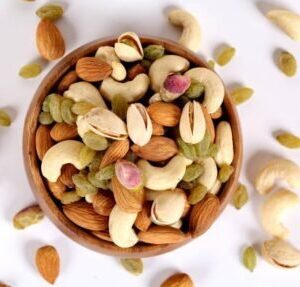
Mix Dried fruits -1kg
Original price was: ₨ 2,100.₨ 2,000Current price is: ₨ 2,000. -
Cashews Indian (Kaju) -500GM
Original price was: ₨ 4,000.₨ 2,700Current price is: ₨ 2,700. -
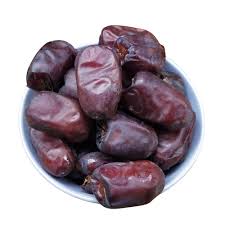
Irani Dates (Kajoor) 500-Gm
₨ 600 -
Peanuts Plain ( Momphalli Maghaz) -500gm
Original price was: ₨ 800.₨ 760Current price is: ₨ 760. -
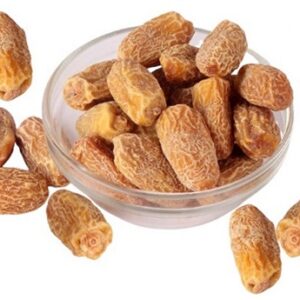
Red Dried Dates (Nar Chuara) 500-Gm
₨ 500 -
Almonds Australian (Badam) 500-Gm
Original price was: ₨ 1,450.₨ 1,400Current price is: ₨ 1,400. -
Walnuts Giri (Akhrot) – 500 Gm
Original price was: ₨ 1,750.₨ 1,500Current price is: ₨ 1,500. -
Cashews Roasted (KAJOO) -500gm
Original price was: ₨ 3,100.₨ 3,000Current price is: ₨ 3,000. -
Raisins Red Afghani (Kishmish) 500-Gm
Original price was: ₨ 600.₨ 580Current price is: ₨ 580. -
Raisins Black (Kala drak- Mazari) 500-Gm
Original price was: ₨ 750.₨ 700Current price is: ₨ 700. -
Raisins Irani (Kishmish) 500-Gm
Original price was: ₨ 600.₨ 550Current price is: ₨ 550. -
Walnuts Kaghzi (American Akhrot) -500gm
Original price was: ₨ 900.₨ 800Current price is: ₨ 800. -
Pumpkin Seeds Namkeen – 500gm
Original price was: ₨ 1,200.₨ 700Current price is: ₨ 700. -
Pistachios Premium (Pista) -500gm
Original price was: ₨ 2,300.₨ 2,250Current price is: ₨ 2,250. -
Dry Apricots (Khobani) -500gm
Original price was: ₨ 800.₨ 690Current price is: ₨ 690. -
American Almond (badam) Giri at best Price -500 GM
Original price was: ₨ 2,400.₨ 2,300Current price is: ₨ 2,300. -
Almonds Giri (Badaam) -500 GM
Original price was: ₨ 2,200.₨ 2,100Current price is: ₨ 2,100. -
Quarter Walnuts Giri (Akhrot Non-Shell) 500-Gm
Original price was: ₨ 1,600.₨ 1,550Current price is: ₨ 1,550.





5. Blood Sugar Regulation
While dried figs are sweet, they have a moderate glycemic index compared to other dried fruits. Their fiber content helps prevent blood sugar spikes, making them a smarter choice for those monitoring their glucose levels. Of course, portion control remains important for diabetics.
6. Iron-Rich for Anemia Prevention
Dried figs are one of the better plant-based sources of iron. For vegetarians, vegans, or anyone at risk of iron-deficiency anemia, incorporating figs into your diet can help maintain healthy hemoglobin levels and prevent fatigue.
7. Antioxidant Powerhouse
Figs are loaded with polyphenols, flavonoids, and anthocyanins—powerful antioxidants that combat free radicals in the body. These compounds have been linked to reduced inflammation, slower aging, and protection against chronic diseases including certain cancers.
8. Skin Health Support
The antioxidants and minerals in dried figs don’t just work internally—they can benefit your skin too. Vitamin E and other compounds help maintain skin elasticity and hydration. Some traditional medicine systems even use fig paste topically for skin conditions.
9. Weight Management Ally
Despite their calorie density, dried figs can actually support weight management. Their fiber and natural sweetness satisfy cravings for dessert while keeping you fuller longer than empty-calorie sweets. Replacing cookies or candy with a few dried figs can significantly reduce your overall calorie intake while increasing nutrient consumption.
10. Reproductive Health
Figs have a long history in traditional medicine as a fertility and reproductive health food. Modern research supports some of these claims, noting that the minerals and antioxidants in figs support hormonal balance and reproductive function in both men and women.
How to Select and Store Dried Figs
When shopping for dried figs, look for ones that are soft and pliable rather than hard and brittle. They should have a pleasant, sweet aroma without any sour or fermented smell. Avoid figs with visible mold or excessive crystallization on the surface.
Store your dried figs in an airtight container in a cool, dark place. They’ll keep for several months at room temperature, or up to a year in the refrigerator. For longer storage, they can be frozen.
Delicious Ways to Enjoy Dried Figs
The versatility of dried figs is part of their charm. Here are some creative ways to incorporate them into your diet:
Simple Snacking: Eat them straight out of the bag for an instant energy boost. Pair with a handful of almonds for a balanced snack.
Stuffed Appetizers: Split figs open and stuff with goat cheese, blue cheese, or almond butter for an elegant appetizer.
Breakfast Upgrade: Chop dried figs into your morning oatmeal, yogurt, or cereal. They add natural sweetness and chewy texture.
Salad Enhancer: Toss chopped figs into green salads with arugula, walnuts, and a balsamic vinaigrette.
Baking Buddy: Use chopped dried figs in muffins, bread, cookies, and energy bars. They pair beautifully with cinnamon, cardamom, and orange zest.
Meat Companion: Add to tagines, braised meats, or grain dishes for a touch of Middle Eastern-inspired sweetness.
Smoothie Booster: Soak a few figs in water for 10 minutes, then blend into smoothies for natural sweetness and thickness.
Cheese Board Star: No sophisticated cheese board is complete without dried figs. They pair with virtually every cheese variety.
Are There Any Downsides?
While dried figs are overwhelmingly healthy, there are a few considerations:
Calorie Density: Because the water has been removed, it’s easy to overeat dried figs. Stick to a serving size of 3-4 figs to keep calories in check.
Sulfites: Some commercially dried figs are treated with sulfur dioxide to preserve color. If you’re sensitive to sulfites or prefer completely natural products, look for organic, unsulfured varieties.
Oxalates: Figs contain moderate levels of oxalates, which can contribute to kidney stones in susceptible individuals. If you have a history of kidney stones, enjoy figs in moderation and ensure adequate hydration.
FODMAPs: Dried figs are high in FODMAPs (fermentable carbohydrates), which can cause digestive discomfort for people with IBS or sensitive digestive systems.
The Bottom Line
Dried figs are far more than a tasty snack—they’re a functional food with thousands of years of nutritional wisdom behind them. In a world of processed, artificial foods, they represent everything we should be eating more of: whole, natural, nutrient-dense, and delicious.
Whether you’re looking to improve your digestion, strengthen your bones, boost your energy, or simply enjoy a guilt-free sweet treat, dried figs check every box. Keep a bag in your desk drawer, your gym bag, and your pantry. Your body—and your taste buds—will thank you.
Have you made dried figs a regular part of your diet? What’s your favorite way to enjoy them? Share your fig stories in the comments below!