

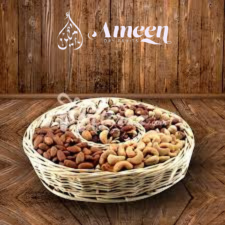
In a world where snacking often means processed chips and sugary treats, premium quality dry fruits stand out as nature’s original power food. These nutrient-dense gems have been cherished across civilizations for thousands of years, from the ancient trade routes of the Silk Road to modern gourmet kitchens. But not all dry fruits are created equal. Understanding what separates premium quality from the ordinary can transform both your health and your culinary experience.
What Defines Premium Quality Dry Fruits?
The term “premium” gets thrown around loosely in marketing, but when it comes to dry fruits, quality has specific, measurable indicators. Premium dry fruits are characterized by their source, processing method, freshness, and physical appearance.
Origin and Sourcing: Premium nuts and dried fruits typically come from regions known for producing the best varieties. Iranian pistachios, Afghan figs, Californian almonds, and Turkish apricots are prized because the soil composition and climate of these regions create superior flavor profiles. Single-origin sourcing allows brands to maintain consistency and traceability.
Processing Standards: High-quality dry fruits undergo minimal processing. They are naturally dried or dehydrated without excessive sulfites, artificial colors, or preservatives. Premium producers use solar drying or low-temperature dehydration to preserve nutritional integrity rather than blasting produce with high heat that destroys vitamins.
Size and Grading: Premium products are carefully graded by size, color, and uniformity. For example, premium almonds are sorted to ensure consistent sizing, while top-tier raisins are plump and uniformly colored without stems or debris.
Freshness: The best dry fruits have a natural sheen and aroma. Rancid nuts smell oily and bitter, while stale dried fruits become hard and discolored. Premium suppliers maintain strict inventory turnover and proper storage conditions to ensure you receive recently harvested products.
The Health Benefits of Choosing Premium
While all dry fruits offer nutritional benefits, premium quality maximizes these advantages because the nutrients remain intact through proper handling.
Heart Health: Premium nuts like walnuts, almonds, and pistachios are rich in omega-3 fatty acids, monounsaturated fats, and plant sterols. Studies consistently show that regular consumption of high-quality nuts can reduce LDL cholesterol levels and lower the risk of cardiovascular disease. When nuts are improperly stored or low-grade, these delicate fats oxidize, turning beneficial compounds into harmful free radicals.
Digestive Wellness: Premium dried fruits retain more of their natural fiber content compared to over-processed alternatives. Figs, prunes, and dates act as natural digestive aids. The fiber in properly dried fruits absorbs water efficiently, promoting regular bowel movements and feeding healthy gut bacteria.
Blood Sugar Management: Contrary to popular belief, premium dry fruits can support stable blood sugar levels when consumed mindfully. The fiber, healthy fats, and protein in nuts slow down the absorption of natural sugars from dried fruits. Premium varieties without added sugars prevent the blood glucose spikes associated with candy-coated or syrup-infused products.
Brain Function: Walnuts, in particular, contain significant amounts of DHA, a type of omega-3 fatty acid linked to cognitive health. Premium quality ensures these fragile fats haven’t degraded. Similarly, almonds provide vitamin E, which protects brain cells from oxidative stress.
Energy and Recovery: Athletes and busy professionals alike benefit from the concentrated energy in dry fruits. Premium quality means higher mineral density—iron, magnesium, potassium, and calcium remain at optimal levels. These minerals support muscle function, oxygen transport, and electrolyte balance.
Best selling products
-
Chamri Apricots (KHOBANI) -500gm
Original price was: ₨ 400.₨ 350Current price is: ₨ 350. -
Dry Figs (Enjeer) -1000GM
Original price was: ₨ 2,900.₨ 2,600Current price is: ₨ 2,600. -
Mix Dried fruits -1kg
Original price was: ₨ 2,100.₨ 2,000Current price is: ₨ 2,000. -
Cashews Indian (Kaju) -500GM
Original price was: ₨ 4,000.₨ 2,700Current price is: ₨ 2,700. -
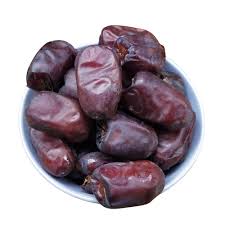
Irani Dates (Kajoor) 500-Gm
₨ 600 -
Peanuts Plain ( Momphalli Maghaz) -500gm
Original price was: ₨ 800.₨ 760Current price is: ₨ 760. -
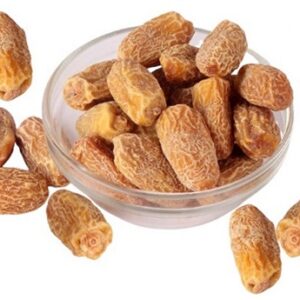
Red Dried Dates (Nar Chuara) 500-Gm
₨ 500 -
Almonds Australian (Badam) 500-Gm
Original price was: ₨ 1,450.₨ 1,400Current price is: ₨ 1,400. -
Walnuts Giri (Akhrot) – 500 Gm
Original price was: ₨ 1,750.₨ 1,500Current price is: ₨ 1,500. -
Cashews Roasted (KAJOO) -500gm
Original price was: ₨ 3,100.₨ 3,000Current price is: ₨ 3,000. -
Raisins Red Afghani (Kishmish) 500-Gm
Original price was: ₨ 600.₨ 580Current price is: ₨ 580. -
Raisins Black (Kala drak- Mazari) 500-Gm
Original price was: ₨ 750.₨ 700Current price is: ₨ 700. -
Raisins Irani (Kishmish) 500-Gm
Original price was: ₨ 600.₨ 550Current price is: ₨ 550. -
Walnuts Kaghzi (American Akhrot) -500gm
Original price was: ₨ 900.₨ 800Current price is: ₨ 800. -
Pumpkin Seeds Namkeen – 500gm
Original price was: ₨ 1,200.₨ 700Current price is: ₨ 700. -
Pistachios Premium (Pista) -500gm
Original price was: ₨ 2,300.₨ 2,250Current price is: ₨ 2,250. -
Dry Apricots (Khobani) -500gm
Original price was: ₨ 800.₨ 690Current price is: ₨ 690. -
American Almond (badam) Giri at best Price -500 GM
Original price was: ₨ 2,400.₨ 2,300Current price is: ₨ 2,300. -
Almonds Giri (Badaam) -500 GM
Original price was: ₨ 2,200.₨ 2,100Current price is: ₨ 2,100. -
Quarter Walnuts Giri (Akhrot Non-Shell) 500-Gm
Original price was: ₨ 1,600.₨ 1,550Current price is: ₨ 1,550.
A Tour of Premium Varieties
Understanding individual varieties helps you appreciate what makes each premium offering special.
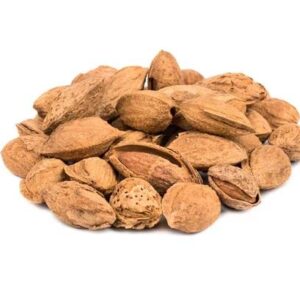
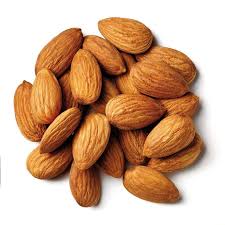
Almonds: Premium almonds feature smooth, uniform surfaces with a sweet, buttery flavor rather than bitter aftertastes. Look for varieties like Mamra or California Nonpareil. Raw, unpasteurized almonds from trusted sources retain the most nutrients, though pasteurized options are standard for food safety.
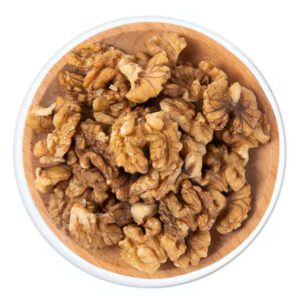
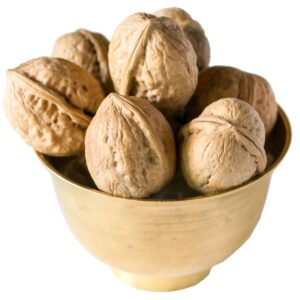
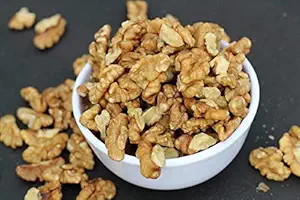
Walnuts: The best walnuts have light-colored halves without dark spots or yellowing. Chandler and Hartley varieties from California are considered premium. They should taste mildly sweet, not overwhelmingly bitter or rancid.
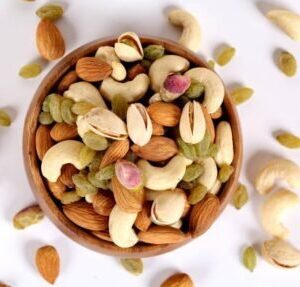
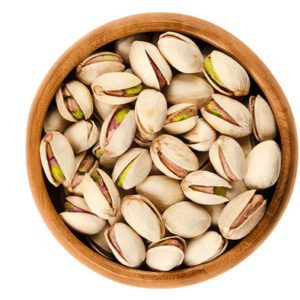
Pistachios: Premium pistachios display vibrant green kernels and naturally tan shells. Avoid bright red dyed shells—a sign of outdated processing. Iranian and Californian pistachios lead the global market for size and flavor.
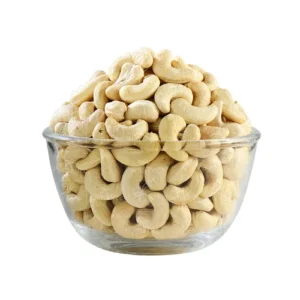
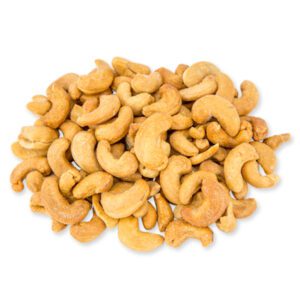
Cashews: Premium cashews are whole, ivory-white, and crescent-shaped. W320 and W240 grades indicate whole kernels of specific sizes. The best cashews have a creamy texture and subtle sweetness without oily residue.
Dates: Medjool dates represent the premium standard—large, soft, and caramel-like with a thin skin. They should be moist but not sticky, with intact skins and no sugar crystallization.
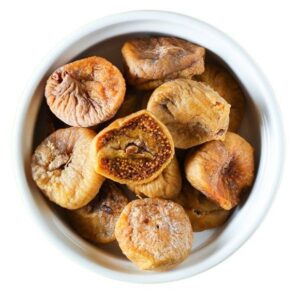
Figs: Premium dried figs, particularly from Turkey and the Middle East, remain slightly soft and seedy. They should not be rock-hard or overly sugary on the exterior.
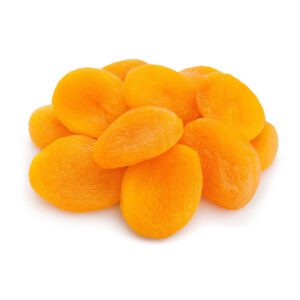
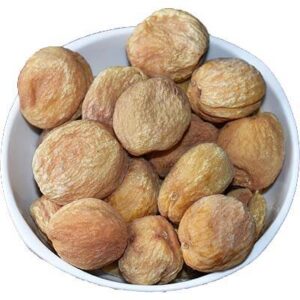
Apricots: Turkish and Californian apricots set the premium standard. Natural dried apricots are brownish rather than bright orange. The vivid orange color often indicates sulfur dioxide treatment, which extends shelf life but may trigger sensitivities.
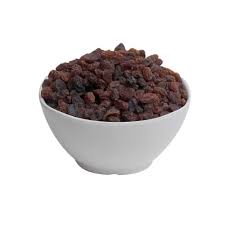
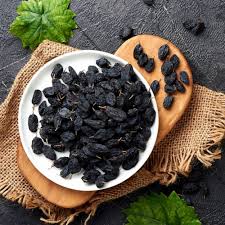
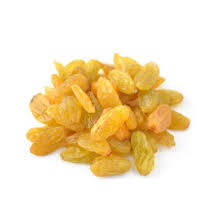
Raisins: Premium raisins like Thompson Seedless or Sultanas are plump, uniformly colored, and free from stems. They should taste naturally sweet, not gritty or sandy.
How to Identify and Buy Premium Quality
Navigating the dry fruit market requires attention to detail.
Read Labels Carefully: The ingredient list should contain exactly one item—the fruit or nut itself. Added oils, sugars, or preservatives indicate lower quality. “Partially hydrogenated oils” are a red flag.
Check Packaging: Premium dry fruits are packaged in airtight, opaque containers or vacuum-sealed bags that protect against light and oxygen. Clear packaging exposed to store lighting accelerates nutrient degradation.
Buy from Reputable Sources: Specialty grocers, organic markets, and established online retailers with transparent sourcing practices typically offer better quality than generic supermarket bulk bins, where turnover and storage conditions are questionable.
Inspect Before Consuming: Break open a nut or cut a dried fruit. Premium almonds reveal white interiors without yellow rings. Premium walnuts show bright golden halves. Dried fruits should rehydrate slightly when placed in warm water.
Trust Your Senses: Premium dry fruits smell fresh and inviting. Musty, sour, or paint-like odors indicate mold, rancidity, or chemical treatment. The texture should be pleasant—neither rock-hard nor strangely soft.
Proper Storage for Lasting Quality
Even the finest dry fruits degrade without proper storage. Heat, light, and oxygen are the primary enemies.
Store premium dry fruits in airtight glass containers in cool, dark locations. Refrigeration extends shelf life significantly, especially for nuts high in omega-3s like walnuts. For long-term storage, freezing preserves quality for up to two years without texture loss.
Avoid storing near strong-smelling foods, as nuts and dried fruits absorb odors easily. If you notice any bitterness, discoloration, or off-putting smell, discard the product—rancid nuts can be inflammatory rather than healthful.
Incorporating Premium Dry Fruits Into Your Diet
Premium quality deserves thoughtful consumption. Enjoy almonds and walnuts as morning brain fuel. Add dates and figs to smoothies for natural sweetness. Create elegant cheese boards with pistachios and dried apricots. Toss cashews into stir-fries for creamy richness without dairy.
The key is moderation. Dry fruits are calorie-dense, so a small handful—roughly 30 grams—provides substantial nutrition without excess energy intake.
Conclusion
Premium quality dry fruits represent one of the simplest upgrades you can make to your diet. The difference between ordinary and exceptional lies in sourcing, handling, and freshness. By choosing premium varieties, you maximize nutritional benefits, enjoy superior flavor, and support sustainable agricultural practices. Whether you seek heart health, sustained energy, or simply a satisfying snack, investing in quality dry fruits delivers returns far beyond their price tag.
The next time you reach for a handful of almonds or add raisins to your oatmeal, remember: quality isn’t a luxury when it comes to food—it’s the foundation of nourishment.