

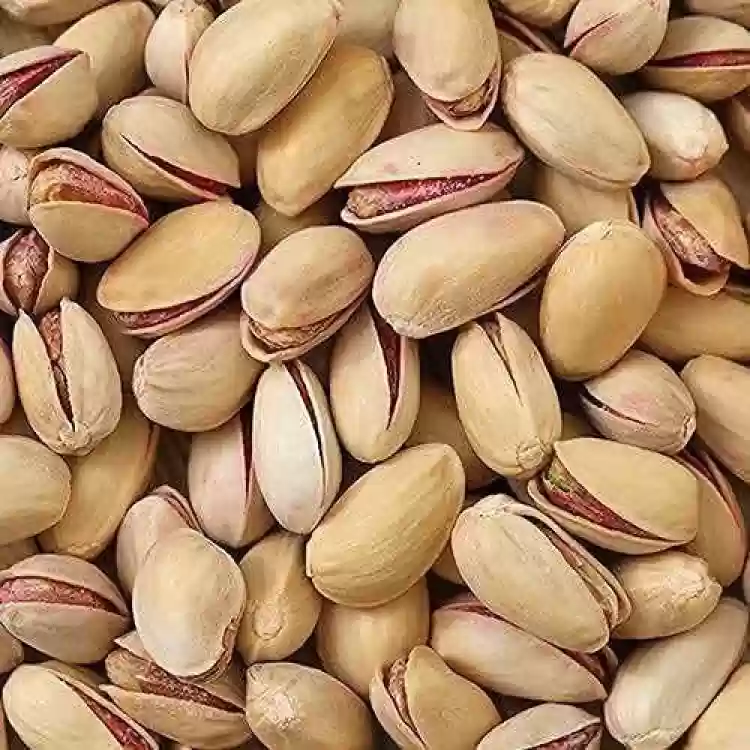
Pistachios have moved far beyond their reputation as a colorful ice cream topping or holiday bowl filler. Today, they stand as one of the most balanced nuts available, offering a rare combination of complete protein, fiber, and heart-friendly fats in a remarkably small serving. With their naturally vibrant green kernels and subtly sweet flavor, pistachios deliver both visual appeal and serious nutrition.
Whether you are managing weight, supporting heart health, or simply searching for a satisfying afternoon snack, understanding what makes pistachios unique helps you use them more effectively. This guide covers their nutritional strengths, proven health benefits, selection criteria, storage strategies, and easy ways to add them to your daily routine.
What Makes Pistachios Nutritionally Special
A one-ounce serving of pistachios—roughly forty-nine kernels—contains about 160 calories. That serving delivers six grams of protein, three grams of fiber, and thirteen grams of fat, most of which is monounsaturated and polyunsaturated. Compared to other tree nuts, pistachios contain fewer calories per serving while offering one of the highest protein-to-calorie ratios available.
Pistachios also provide an impressive micronutrient range. They are particularly rich in vitamin B6, which supports neurotransmitter production and immune function. Their copper, manganese, and phosphorus content contributes to bone health and energy metabolism. Additionally, pistachios contain lutein and zeaxanthin, two carotenoids that accumulate in the retina and may protect against age-related vision decline.
Another distinguishing feature is their antioxidant load. Pistachios contain higher levels of polyphenols and tocopherols than many common nuts. These compounds neutralize free radicals, reducing cellular damage that accelerates aging and chronic disease.
Evidence-Based Health Benefits
Cardiovascular Support Regular pistachio consumption consistently demonstrates positive effects on heart health markers. Studies show that replacing some saturated fat intake with pistachios can lower LDL cholesterol while maintaining or even improving HDL levels. Their phytosterol content blocks cholesterol absorption in the gut, and their arginine content supports healthy blood vessel dilation.
Blood Sugar Regulation Despite containing carbohydrates, pistachios have a low glycemic impact. Their fiber, protein, and healthy fat content slows glucose absorption, making them an excellent snack for individuals monitoring blood sugar. Research indicates that adding pistachios to carbohydrate-rich meals actually reduces the overall glycemic response.
Weight Management Pistachios support weight control through multiple mechanisms. Their protein and fiber promote satiety, reducing subsequent calorie intake. Interestingly, the act of shelling pistachios creates a natural portion-control system. Studies show that people eat fewer nuts when they must remove shells manually, as the visual evidence of consumed shells provides a psychological cue to stop.
Eye Health The lutein and zeaxanthin concentration in pistachios specifically targets eye wellness. These antioxidants filter harmful blue light and combat oxidative stress in retinal tissue. Regular consumption may contribute to reduced risk of macular degeneration over time.
Gut Microbiome Support Pistachios contain prebiotic fiber that feeds beneficial gut bacteria. Clinical trials demonstrate that daily pistachio consumption increases levels of butyrate-producing bacteria, which strengthen the intestinal barrier and support immune regulation.
How to Choose Premium Pistachios
Quality varies significantly across suppliers, and pistachios are vulnerable to staleness and contamination if improperly handled.
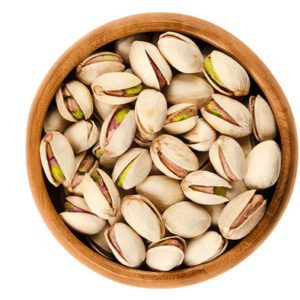
Shell Condition High-quality pistachios display naturally beige shells without excessive bleaching or dyeing. Some producers dye nuts red or green for visual appeal, but these additives offer no nutritional benefit and may mask poor quality. Natural shells with slight mottling indicate minimal processing.
Kernel Color When visible through partially open shells, kernels should appear bright green to yellow-green. Vibrant green color indicates higher antioxidant content. Brown or yellow discoloration suggests age, poor storage, or rancidity.
Aroma Check Fresh pistachios smell mildly sweet and nutty. Any sharp, bitter, or chemical odor indicates oxidized oils or mold contamination. This is especially important when buying from bulk bins exposed to air and light.
Size and Origin Iranian and Californian pistachios dominate global markets. Iranian varieties often feature smaller shells with intensely flavored kernels, while Californian nuts tend toward larger, more uniform sizing with reliably fresh harvests due to strict agricultural standards. Turkish and Syrian varieties also circulate, each offering distinct flavor profiles.
Closed Shells A small percentage of closed shells is normal, but excessive unopened nuts suggests immature harvesting or low-grade sorting. Avoid packages where most shells remain tightly shut, as these are difficult to open and often contain underdeveloped kernels.
Proper Storage Methods
Pistachio oils degrade relatively quickly under warm or bright conditions. Proper storage preserves both flavor and nutritional integrity.
For consumption within one month, store pistachios in airtight containers inside a cool, dark pantry. Glass jars with tight seals outperform plastic bags, which allow air exchange and odor absorption.
For longer storage up to six months, refrigeration dramatically extends freshness. This is particularly important for shelled kernels, which have greater surface area exposure than in-shell nuts.
Freezing provides the best long-term protection for bulk purchases. Vacuum-sealed bags or tightly wrapped containers keep pistachios fresh for over a year. Remove portions as needed and allow brief room-temperature thawing before eating.
Always keep pistachios away from strong-smelling foods. Their porous structure readily absorbs odors from spices, onions, or aromatic cheeses, compromising their delicate flavor.
Best selling products
-
Chamri Apricots (KHOBANI) -500gm
Original price was: ₨ 400.₨ 350Current price is: ₨ 350. -
Dry Figs (Enjeer) -1000GM
Original price was: ₨ 2,900.₨ 2,600Current price is: ₨ 2,600. -
Mix Dried fruits -1kg
Original price was: ₨ 2,100.₨ 2,000Current price is: ₨ 2,000. -
Cashews Indian (Kaju) -500GM
Original price was: ₨ 4,000.₨ 2,700Current price is: ₨ 2,700. -
Irani Dates (Kajoor) 500-Gm
₨ 600 -
Peanuts Plain ( Momphalli Maghaz) -500gm
Original price was: ₨ 800.₨ 760Current price is: ₨ 760. -
Red Dried Dates (Nar Chuara) 500-Gm
₨ 500 -
Almonds Australian (Badam) 500-Gm
Original price was: ₨ 1,450.₨ 1,400Current price is: ₨ 1,400. -
Walnuts Giri (Akhrot) – 500 Gm
Original price was: ₨ 1,750.₨ 1,500Current price is: ₨ 1,500. -
Cashews Roasted (KAJOO) -500gm
Original price was: ₨ 3,100.₨ 3,000Current price is: ₨ 3,000. -
Raisins Red Afghani (Kishmish) 500-Gm
Original price was: ₨ 600.₨ 580Current price is: ₨ 580. -
Raisins Black (Kala drak- Mazari) 500-Gm
Original price was: ₨ 750.₨ 700Current price is: ₨ 700. -
Raisins Irani (Kishmish) 500-Gm
Original price was: ₨ 600.₨ 550Current price is: ₨ 550. -
Walnuts Kaghzi (American Akhrot) -500gm
Original price was: ₨ 900.₨ 800Current price is: ₨ 800. -
Pumpkin Seeds Namkeen – 500gm
Original price was: ₨ 1,200.₨ 700Current price is: ₨ 700. -
Pistachios Premium (Pista) -500gm
Original price was: ₨ 2,300.₨ 2,250Current price is: ₨ 2,250. -
Dry Apricots (Khobani) -500gm
Original price was: ₨ 800.₨ 690Current price is: ₨ 690. -
American Almond (badam) Giri at best Price -500 GM
Original price was: ₨ 2,400.₨ 2,300Current price is: ₨ 2,300. -
Almonds Giri (Badaam) -500 GM
Original price was: ₨ 2,200.₨ 2,100Current price is: ₨ 2,100. -
Quarter Walnuts Giri (Akhrot Non-Shell) 500-Gm
Original price was: ₨ 1,600.₨ 1,550Current price is: ₨ 1,550.
Delicious Ways to Enjoy Pistachios
Pistachios adapt effortlessly to sweet and savory applications.
Snacking Raw or lightly roasted in-shell pistachios make ideal portion-controlled snacks. Roasting at low temperatures for ten minutes intensifies flavor without destroying heat-sensitive vitamins.
Baking Ground pistachios replace flour in gluten-free cakes and cookies. Their natural oils keep baked goods moist while adding subtle color and rich taste.
Cooking Chopped pistachios crust fish or chicken beautifully. They also add crunch to grain salads, roasted vegetable dishes, and pasta preparations.
Desserts Pistachio paste blends into ice cream, mousse, and pastry fillings. Their distinctive flavor pairs exceptionally with dark chocolate, rose water, and citrus.
Breakfast Sprinkled over yogurt, oatmeal, or smoothie bowls, pistachios contribute protein and texture to morning meals without overwhelming other flavors.
Conclusion
Pistachios offer one of the most nutritionally efficient snacking options available. Their unique balance of protein, fiber, healthy fats, and antioxidants supports cardiovascular health, stable energy, and metabolic wellness in ways that few other nuts match.
Maximizing their benefits requires selecting fresh, minimally processed nuts and storing them properly against heat and air exposure. Incorporating just one ounce daily—whether as a standalone snack or recipe ingredient—provides measurable nutritional value without excessive calories.
For anyone seeking a satisfying, nutrient-dense addition to their diet, pistachios represent a simple, evidence-backed choice that delivers on both health and flavor.