

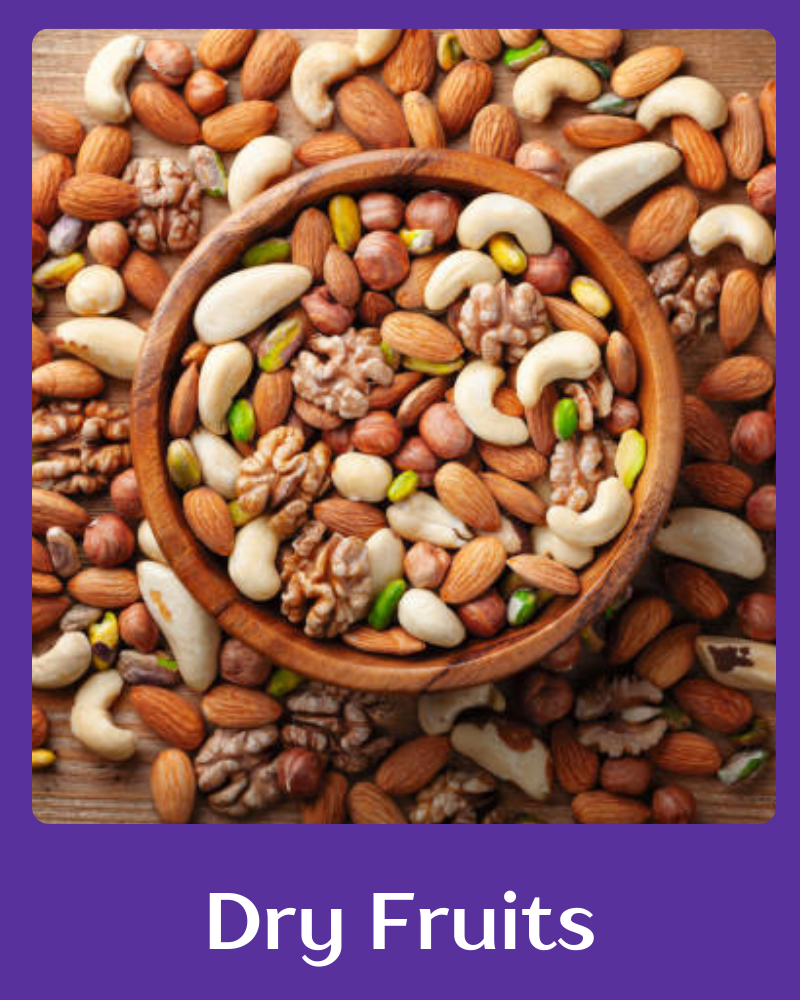
Dry fruits have earned their place as kitchen essentials across the globe. From morning smoothies and midday snacks to festive gift boxes and gourmet recipes, almonds, cashews, walnuts, and dates are everywhere. But here is a question most shoppers overlook: are you buying them the smart way?
Pre-packaged dry fruits lining supermarket shelves look convenient, yet they come with hidden costs—premium pricing, excess packaging, and sometimes questionable freshness. This is where bulk dry fruits change the game entirely. Whether you run a bakery, manage a restaurant, cater events, or simply maintain a health-conscious household, buying dry fruits in bulk offers advantages that go far beyond the checkout counter.
In this guide, we explore why bulk purchasing deserves your attention, which varieties offer the best value, how to judge quality, and the storage secrets that keep your stock fresh for months.
Why Buying Bulk Dry Fruits Makes Perfect Sense
The most obvious benefit of bulk buying is cost efficiency. When you purchase dry fruits without individual retail packaging, you eliminate the markup associated with branding, labeling, and small-portion processing. Suppliers pass those savings directly to you, often reducing the per-kilogram price by 20 to 40 percent compared to pre-packaged alternatives.
Beyond savings, bulk buying gives you complete control over quantity. Need two kilograms of almonds for your monthly meal prep? You get exactly that. Want to mix half a kilogram each of walnuts, figs, and raisins? Most bulk suppliers accommodate custom combinations. This flexibility prevents the frustration of buying multiple small packets and dealing with leftover packaging clutter.
Freshness is another critical advantage. Bulk dry fruits typically turn over faster at reputable suppliers because restaurants, retailers, and frequent buyers keep inventory moving. You are more likely to get recently harvested stock rather than nuts that have sat in sealed plastic for months. Additionally, you can inspect the product with your own eyes and nose before committing, something impossible with opaque retail bags.
Finally, bulk purchasing aligns with sustainable living. Less plastic, fewer cardboard boxes, and reduced transportation emissions per kilogram of product mean your pantry stays eco-friendly while your wallet stays heavier.
Top Dry Fruits to Buy in Bulk
Not every dry fruit delivers equal value in bulk. Some varieties spoil faster, while others offer dramatic savings when purchased in larger quantities. Here are the smartest choices:
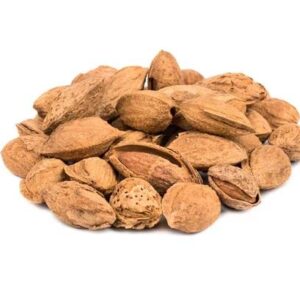
Almonds remain the bulk-buying champion. They store well for up to a year under proper conditions, and their universal appeal makes them easy to use across recipes, snacks, and homemade trail mixes. Raw, roasted, or sliced—bulk almonds adapt to almost any culinary need.
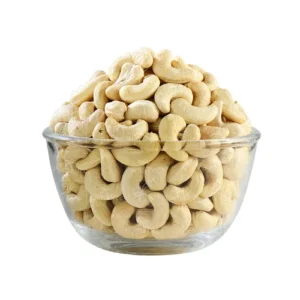
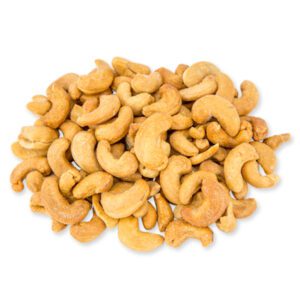
Cashews offer excellent bulk value, especially for businesses. Their creamy texture makes them indispensable for vegan cheeses, stews, and desserts. Because they are softer than other nuts, buying fresh in bulk ensures you avoid the rancidity that can develop in old stock.
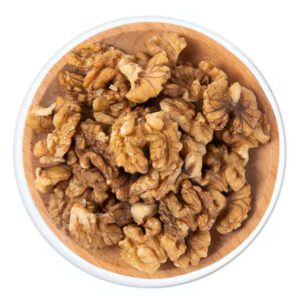
Walnuts are nutrient-dense powerhouses rich in omega-3 fatty acids. They are slightly more delicate and benefit from cold storage, but bulk pricing makes them affordable enough to incorporate into daily diets without guilt.
Raisins and dried cranberries are pantry workhorses. They rarely go to waste because they blend into oatmeal, baked goods, and salads effortlessly. Bulk purchasing here eliminates the excessive sugar-coated retail versions and lets you choose organic or sulfur-free options.
Dates, particularly Medjool and Deglet Noor varieties, are naturally candy-sweet and incredibly versatile. Bulk boxes from Middle Eastern or North African suppliers often beat retail prices by significant margins.
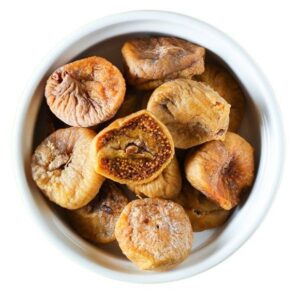
Dried figs and apricots reward bulk buyers who appreciate fiber-rich snacking. Turkish and Afghan varieties dominate the market, and buying larger quantities ensures you get intact, moist fruit rather than the desiccated remnants sometimes found in small packages.
Best selling products
-
Chamri Apricots (KHOBANI) -500gm
Original price was: ₨ 400.₨ 350Current price is: ₨ 350. -
Dry Figs (Enjeer) -1000GM
Original price was: ₨ 2,900.₨ 2,600Current price is: ₨ 2,600. -
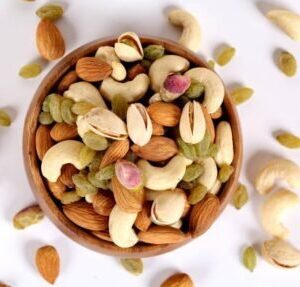
Mix Dried fruits -1kg
Original price was: ₨ 2,100.₨ 2,000Current price is: ₨ 2,000. -
Cashews Indian (Kaju) -500GM
Original price was: ₨ 4,000.₨ 2,700Current price is: ₨ 2,700. -
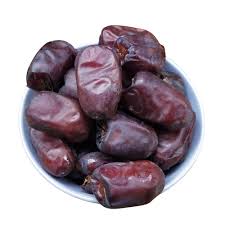
Irani Dates (Kajoor) 500-Gm
₨ 600 -
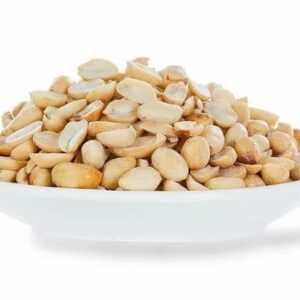
Peanuts Plain ( Momphalli Maghaz) -500gm
Original price was: ₨ 800.₨ 760Current price is: ₨ 760. -
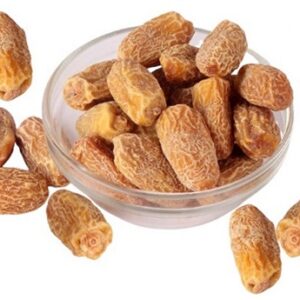
Red Dried Dates (Nar Chuara) 500-Gm
₨ 500 -
Almonds Australian (Badam) 500-Gm
Original price was: ₨ 1,450.₨ 1,400Current price is: ₨ 1,400. -
Walnuts Giri (Akhrot) – 500 Gm
Original price was: ₨ 1,750.₨ 1,500Current price is: ₨ 1,500. -
Cashews Roasted (KAJOO) -500gm
Original price was: ₨ 3,100.₨ 3,000Current price is: ₨ 3,000.

How to Judge Quality Before You Buy
Bulk buying requires a sharper eye than grabbing a sealed bag off a shelf. Use this checklist to protect your investment:
Start with appearance. Almonds should feel heavy and show uniform color without dark spots or shriveling. Cashews must appear creamy white or pale ivory—yellowing indicates age. Walnuts in the shell should feel full when shaken; shelled kernels should not look dusty or dried out.
Trust your sense of smell. Fresh dry fruits carry mild, sweet, or nutty aromas. Any hint of paint, bitterness, or staleness signals rancid oils, especially in walnuts and peanuts. Walk away from anything that smells off.
Check texture by sampling. Reputable bulk suppliers offer tasting. Almonds should snap cleanly. Dates should feel soft and pliable, not hard or crystallized. Raisins should be slightly tacky, not rock-hard.
Verify origin and harvest date. Ask your supplier about sourcing. California almonds, Iranian pistachios, Turkish hazelnuts, and Afghan figs each carry regional quality markers. Recent harvests taste better and last longer.
Look for certifications when available. Organic, non-GMO, or fair-trade labels add credibility, especially when buying unfamiliar brands in bulk.
Storage Secrets for Long-Term Freshness
Even the finest bulk dry fruits degrade without proper storage. Heat, light, oxygen, and moisture are your enemies.
Transfer your purchase immediately into airtight glass or BPA-free plastic containers. Mason jars, vacuum-sealed bins, or food-grade buckets with gamma-seal lids work best. Avoid thin plastic bags that allow air exchange.
Store containers in a cool, dark cupboard for short-term use up to three months. For longer storage, especially with walnuts, pistachios, and pine nuts, refrigeration dramatically extends shelf life by slowing oil oxidation. Freezing works excellently for nuts you plan to keep beyond six months—just thaw them in the refrigerator overnight before use.
Add desiccant packets to containers if you live in humid climates. A single moisture event can trigger mold in dried figs or dates, ruining an entire batch.
Practice rotation. Label containers with purchase dates and use older stock first. Even stable dry fruits slowly lose flavor over time, so first-in-first-out keeps your supply tasting vibrant.
Bulk vs. Pre-Packaged: The Real Cost Breakdown
Let us look at the numbers honestly. A 100-gram retail packet of premium almonds might cost three to four dollars. A five-kilogram bulk sack from the same grade often drops the per-kilogram price by nearly half. If your household consumes even one kilogram monthly, bulk buying recovers its advantage within the first purchase cycle.
However, bulk buying does not suit every situation. If you rarely eat dry fruits and a kilogram would last you two years, pre-packaged portions prevent waste. Similarly, if you lack proper storage space or live in extremely humid conditions without climate control, smaller packets might actually save money by avoiding spoilage.
The sweet spot lies in moderate consumption with proper storage. Families, fitness enthusiasts, meal-preppers, and small food businesses almost always win with bulk. Occasional snackers should stick to smaller retail sizes.
The Sustainability Angle
Every kilogram of dry fruits bought in bulk represents a small victory against unnecessary packaging waste. The food industry generates millions of tons of plastic annually, and individual snack packs contribute disproportionately. By bringing your own containers or accepting minimal bulk packaging, you reduce landfill contributions and transportation emissions.
Many bulk suppliers also source closer to origin, cutting out multiple middlemen and supporting more transparent supply chains. When you buy five kilograms of dates directly from an importer rather than through layered retail distribution, you often support fairer farmer pricing too.
Final Thoughts
Bulk dry fruits represent one of the smartest upgrades you can make to your pantry strategy. The combination of lower costs, fresher product, customizable quantities, and environmental responsibility creates a compelling case for skipping the retail aisle.
Start with one or two varieties you use most—perhaps almonds and raisins—and test a reputable local bulk supplier or verified online wholesaler. Invest in proper storage containers, inspect quality carefully, and enjoy the satisfaction of reaching into your own well-stocked supply instead of tearing open yet another overpriced plastic packet.
Your recipes, your budget, and the planet will thank you.