

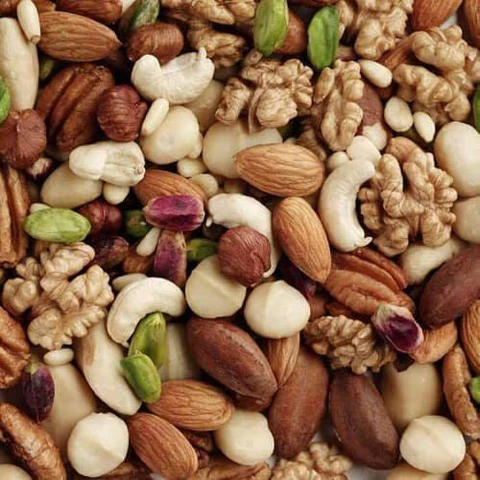
Quetta sits at 5,500 feet among rugged mountains. It is more than the capital of Balochistan. It is the beating heart of Pakistan’s dry fruit trade. For centuries, this city has linked South Asia with Central Asia. It brings a rich tradition of cultivating and trading nature’s most nutritious bounty. When you think of premium dry fruits in Pakistan, one name rises above the rest. Ameen Dry Fruits has served customers with integrity for generations.
The Legacy of Dry Fruits in Quetta
Quetta’s unique position gives it a perfect climate. It produces some of the finest dry fruits in the region. Cold winters, moderate summers, and mineral-rich soil create ideal growing conditions. Almonds, walnuts, pistachios, and dried apricots thrive here. Famous orchards surround the city. Ziarat, Pishin, and Mastung have hosted family-run farms for generations. Knowledge passes from father to son. It flows from mother to daughter.
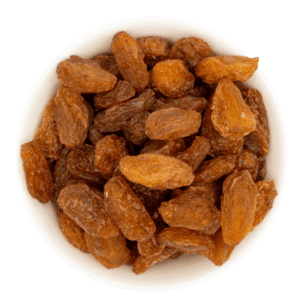
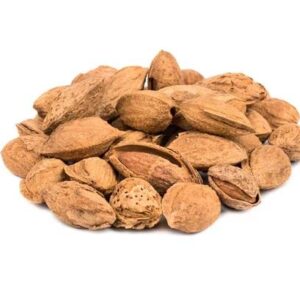
The dry fruit bazaars of Quetta are legendary. Walk through Liaquat Bazaar. Explore the specialized dry fruit markets. You will see mountains of golden raisins. Glistening dates catch your eye. Piles of shell-covered almonds smell of earth and sunshine. The air carries sweet aromas of dried figs. Earthy scents of walnut husks fill your lungs. This is not just commerce. It is a cultural experience. It connects modern shoppers with ancient trade routes. These once linked Persia, Afghanistan, and the Indian subcontinent.
Historically, Quetta served as a crucial Silk Road stop. Caravans carried spices, textiles, and precious stones. They paused here to trade for the region’s abundant nuts and dried fruits. This deep connection to trade shaped the local population. They possess an intuitive understanding of quality. The people of Quetta don’t just sell dry fruits. They curate them. They select each batch with a jeweler’s eye.
The Royalty of Quetta’s Dry Fruits
What makes Quetta dry fruits exceptional? The answer lies in altitude, climate, and traditional methods. These methods refuse to compromise on quality.
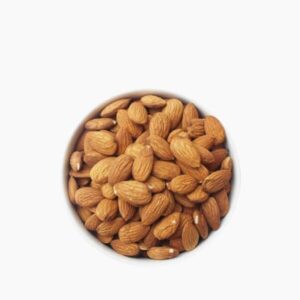
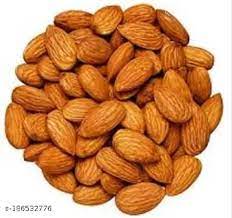
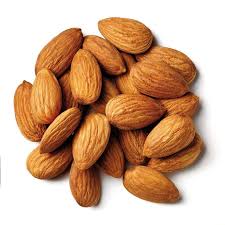
Almonds: Quetta’s Mamra almonds rank among the world’s best. They differ from mass-produced California almonds. Mamra almonds are smaller and denser. They pack natural oils. Farmers cultivate them organically in the highlands. They avoid heavy pesticides or artificial fertilizers. A single bite reveals unmistakable sweetness. The depth of flavor is authentic.
Walnuts: Ziarat’s walnut orchards produce incredible nuts. They have thin shells and massive kernels. Quetta walnuts are rich in omega-3 fatty acids. They offer a creamy, buttery texture. This makes them perfect for snacking and baking. During harvest season, families gather together. They hull, wash, and dry these walnuts using traditional methods. Workers lay them on rooftops under the harsh Balochistan sun. The nuts reach perfect crispness after days of careful drying.
Pistachios: Iran and California dominate the global market. Yet Quetta’s locally grown pistachios hold a special place. Connoisseurs cherish them. These pistachios roast in small batches. Vendors use rock salt and traditional wood-fired ovens. This imparts a smoky depth. Industrial roasting cannot replicate this flavor.
Dates: Quetta markets feature exquisite varieties. They come from neighboring regions. Local dried fruits include apricots and figs. These thrive in the arid climate. Quetta’s dried apricots are special. They are sun-dried to perfect chewiness. They preserve intense sweetness. Their vibrant orange color remains intact.
Raisins: Golden raisins and black raisins fill Quetta’s markets. They are sun-dried using traditional techniques. These methods maintain natural sugars. Unlike sulfur-dried commercial varieties, these raisins retain complex flavors. They offer wine-like profiles. They are ideal for desserts, biryanis, or simple snacking.
On sale products
-
Abjosh Raisins (Munakka, Kishmish) -500 GM
Original price was: ₨ 1,050.₨ 900Current price is: ₨ 900. -
Almonds Australian (Badam) 500-Gm
Original price was: ₨ 1,450.₨ 1,400Current price is: ₨ 1,400. -
Almonds Giri (Badaam) -500 GM
Original price was: ₨ 2,200.₨ 2,100Current price is: ₨ 2,100. -
Almonds Giri Salted (Badam Namkeen) 500-Gm
Original price was: ₨ 2,450.₨ 2,380Current price is: ₨ 2,380. -
American Almond (badam) Giri at best Price -500 GM
Original price was: ₨ 2,400.₨ 2,300Current price is: ₨ 2,300. -
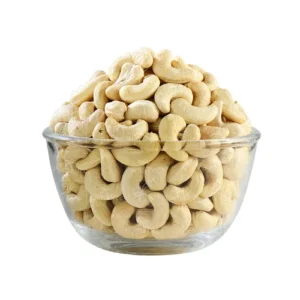
Cashews Indian (Kaju) -500GM
Original price was: ₨ 4,000.₨ 2,700Current price is: ₨ 2,700. -
Cashews Plain Vietnamese (Kaju) -500gm
Original price was: ₨ 2,400.₨ 2,250Current price is: ₨ 2,250. -
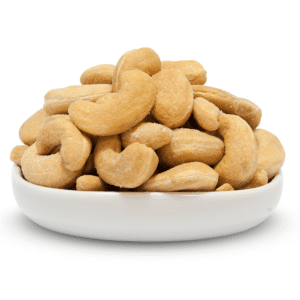
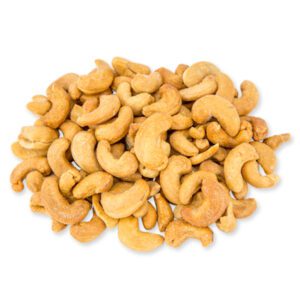
Cashews Roasted (KAJOO) -500gm
Original price was: ₨ 3,100.₨ 3,000Current price is: ₨ 3,000. -
Chamri Apricots (KHOBANI) -500gm
Original price was: ₨ 400.₨ 350Current price is: ₨ 350. -
Chapa Namak Afghani (Dried Apricots Stick) 500-Gm
Original price was: ₨ 1,199.₨ 1,100Current price is: ₨ 1,100. -
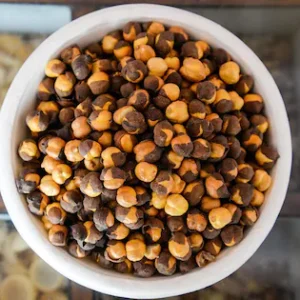
Chickpeas (Kala-Channa) -500gm
Original price was: ₨ 550.₨ 480Current price is: ₨ 480. -
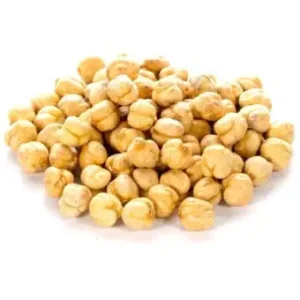
Chickpeas Plain Irani (Chana) 500-Gm
Original price was: ₨ 600.₨ 550Current price is: ₨ 550. -
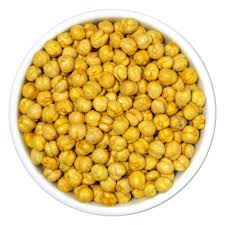
Chickpeas Roasted Irani (Channa) 500-Gm
Original price was: ₨ 599.₨ 550Current price is: ₨ 550. -
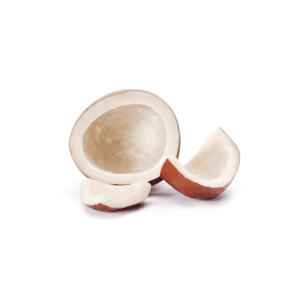
COCONUTS (KUPRA) -500gm
Original price was: ₨ 799.₨ 650Current price is: ₨ 650. -
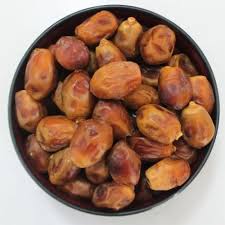
Dates Zahidi (Zahidi Kajoor) 500-Gm
Original price was: ₨ 550.₨ 499Current price is: ₨ 499.


Health Benefits That Stand the Test of Time
In an era of processed snacks, dry fruits represent nature’s original superfoods. The varieties from Ameen Dry Fruits offer remarkable health benefits. Modern science continues to validate these benefits.
Almonds pack vitamin E, magnesium, and fiber. Regular consumption supports heart health. It helps manage blood sugar levels. It provides sustained energy without the crash of sugary snacks. Walnuts contain rare antioxidants and polyphenols. These combat inflammation. They support brain health. This is fitting for a nut that resembles a miniature brain. Pistachios are among the most vitamin B6-rich foods available. This is essential for hormone regulation and cognitive function.
Dried apricots and figs provide iron, potassium, and dietary fiber. These concentrations exceed what fresh fruits offer. For populations in arid regions like Balochistan, these dry fruits served as crucial staples. They provided nutrition during harsh winters. Fresh produce was scarce then. They represent not just indulgence. They symbolize survival and sustenance.
Moreover, traditional processing methods ensure nutritional purity. Established Quetta vendors keep products free from harmful preservatives. They avoid artificial colors and chemical additives. When you purchase from reputable sources, you get food as nature intended. It is concentrated, pure, and profoundly nourishing.
Ameen Dry Fruits: A Name Synonymous with Trust
The market is crowded with vendors making lofty claims. Ameen Dry Fruits has built its reputation on a simple principle. It is an increasingly rare one: unwavering commitment to quality. Ameen Dry Fruits sits in the heart of Quetta’s bustling dry fruit district. It has served local families, wholesale buyers, and international customers. The excellence has remained consistent.
What sets Ameen Dry Fruits apart? It is their direct relationship with orchards and growers. They eliminate unnecessary middlemen. Products move from tree to customer with minimal delay. Freshness and flavor are preserved. Their selection process is notoriously rigorous. Almonds that don’t meet size standards are rejected. Walnuts with damaged kernels are discarded. Dates are inspected individually for perfect moisture content.
This dedication extends to storage and packaging. Dry fruits are vulnerable to humidity and pests. Ameen Dry Fruits employs climate-controlled storage facilities. They use vacuum-sealed packaging. This maintains product integrity from Quetta to Karachi, Lahore, or overseas destinations. Whether you purchase a small Eid gift box or bulk commercial quantities, the attention to detail remains identical.
The staff possesses generational knowledge. They share this generously with customers. Unsure about salted versus raw pistachios? Looking for the perfect walnut variety? Need advice on storing almonds through humid summers? Their expertise transforms simple transactions into educational experiences.
Why Quetta Remains Unbeatable
Dry fruits are available in supermarkets across Pakistan. Countless online vendors sell them too. Yet purchasing from Quetta offers distinct advantages. Savvy buyers understand this.
Price Transparency: Quetta is the source market. It eliminates markups from multiple intermediaries. What costs a premium in Islamabad or Dubai is often reasonably priced in Quetta’s markets.
Variety: Quetta’s markets offer rare varieties. You will find mountain honey and dried mulberries. Wild pistachios appear here. Apricot kernels used in traditional medicine are available. This diversity reflects the region’s unique botanical heritage.
Freshness: Dry fruits have a shelf life. Products sitting in warehouse chains for months lose flavor and nutritional value. Quetta’s rapid turnover means you buy from recent harvests.
Authenticity: Inferior products are routinely passed off as premium. Buying directly from established Quetta vendors provides certainty. You can see, smell, and taste before you purchase.
Selecting and Storing Your Dry Fruits
Whether you visit Quetta for the first time or you are a longtime Ameen Dry Fruits customer, knowing how to select and store dry fruits ensures maximum enjoyment.
When selecting almonds, look for uniform color. They should feel heavy. Lightweight almonds may be stale or hollow. Quality walnuts need intact shells. Avoid cracks or holes that indicate insect damage. Pistachios should be naturally colored. Artificially dyed nuts often mask poor quality underneath.
For storage, airtight containers are essential. Keep dry fruits in cool, dark places. Refrigeration extends shelf life significantly. This is particularly important for walnuts and pistachios. Their natural oils can turn rancid in heat. If buying in bulk, consider freezer storage. Dry fruits can remain fresh for up to a year there.
Conclusion
Quetta’s identity is linked to its dry fruits. The city’s markets represent a living tradition. Ancient agricultural wisdom meets modern nutritional science here. In this landscape, Ameen Dry Fruits stands as a beacon of quality. It is a family business that understands an important truth. Trust is built one almond, one walnut, one raisin at a time.
Whether you seek the perfect gift, stock your pantry with healthy snacks, or source commercial ingredients, Quetta offers an unmatched combination. It delivers quality, variety, and value. The dry fruits of this mountain city carry Balochistan’s rugged essence. They are pure, unadulterated, and remarkably generous.
Visit Quetta. Walk its markets. Taste its treasures. Make Ameen Dry Fruits your destination. Discover nature’s finest offerings. Experience the authenticity that only generations of expertise can provide.