


Dry fruits, also known as sukha mewa in Urdu, hold a special place in Pakistani households, especially during winter months, festivals like Eid, weddings, and daily snacking for health benefits. As of late February 2026, dry fruit prices in Pakistan reflect a mix of factors including import costs (from Afghanistan, Iran, USA, etc.), local production, inflation trends, seasonal demand, and currency fluctuations.
Prices can vary by city (e.g., higher in Quetta due to proximity to Afghan border supplies but transport costs elsewhere), quality (premium/organic vs. regular), and whether bought wholesale (mandi like Jodia Bazaar in Karachi or Akbari Mandi in Lahore) or retail/online. Online platforms often offer competitive rates with delivery across Pakistan, including to Balochistan.
Note: These are approximate retail prices per kg based on current online sellers, market reports, and major cities as of February 2026. Always check local markets or trusted vendors for exact rates, as they fluctuate daily.
Popular Dry Fruits and Current Prices in Pakistan (Per Kg, Approximate)
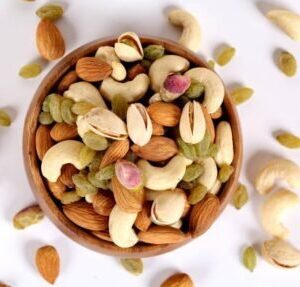
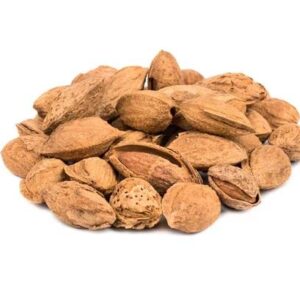
- Almonds (Badam) — Rs. 2,500 – 3,500 American or Australian varieties often fall in the higher range (Rs. 3,000+), while local or Afghan types are cheaper. Premium hand-breakable Kagzi almonds can reach Rs. 3,500.
- Pistachios (Pista) — Rs. 3,000 – 4,500 (with shell); higher for shelled or premium Iranian/American Iranian pistachios are popular and relatively affordable, while American ones command Rs. 4,000+. Prices have stabilized somewhat this winter compared to peaks.
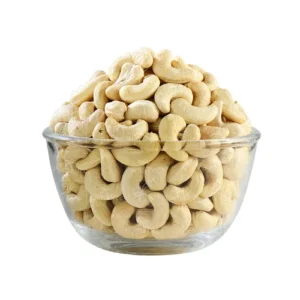
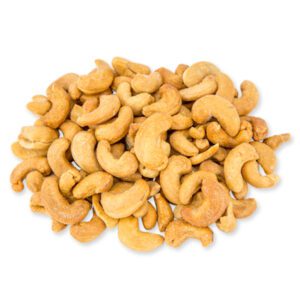
- Cashews (Kaju) — Rs. 3,000 – 4,000 Plain, salted, or roasted varieties available. Premium large-sized cashews trend toward the upper end.
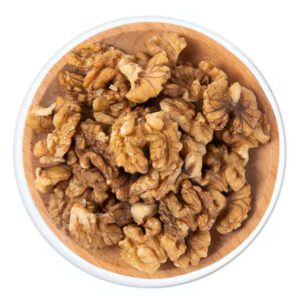
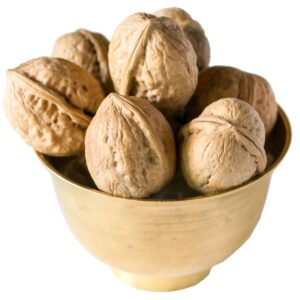
- Walnuts (Akhrot) — Rs. 1,800 – 2,900 Desi (local) walnuts are cheaper, while imported or shelled (magaz) cost more. Chilgoza (pine nuts) has seen drops recently but remains premium (often Rs. 5,000–8,000+ depending on source).
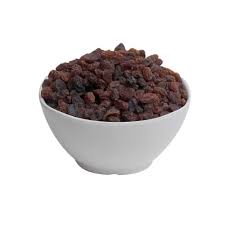
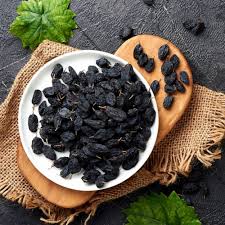
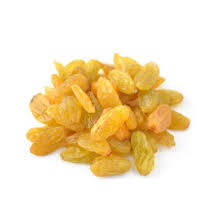
- Raisins (Kishmish/Munakka) — Rs. 800 – 1,500 Black, green, or golden varieties; Abjosh or premium types higher.
- Dried Apricots (Khubani/Jardalu) — Rs. 1,200 – 2,000 Gilgit-Baltistan varieties are prized for taste and often in the mid-range.
- Dates (Khajoor) — Rs. 1,000 – 3,000+ Premium Ajwa, Mabroom, or Medjoul can go up to Rs. 2,500–5,000; common local/Afghani cheaper at Rs. 1,000–2,000.
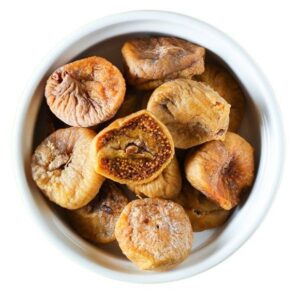
- Figs (Anjeer) — Rs. 1,500 – 3,000 Turkish or Iranian often preferred.
- Other notables: Pine nuts/Chilgoza (variable, recently lower in some areas), Prunes, Cranberries (Rs. 1,400–2,200 for smaller packs).
Retail prices are usually 10–30% higher than wholesale, and smaller packs (250g–500g) cost proportionally more per unit.
Best selling products
-
Chamri Apricots (KHOBANI) -500gm
Original price was: ₨ 400.₨ 350Current price is: ₨ 350. -
Dry Figs (Enjeer) -1000GM
Original price was: ₨ 2,900.₨ 2,600Current price is: ₨ 2,600. -
Mix Dried fruits -1kg
Original price was: ₨ 2,100.₨ 2,000Current price is: ₨ 2,000. -
Cashews Indian (Kaju) -500GM
Original price was: ₨ 4,000.₨ 2,700Current price is: ₨ 2,700. -
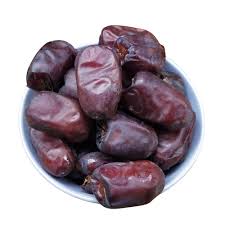
Irani Dates (Kajoor) 500-Gm
₨ 600 -
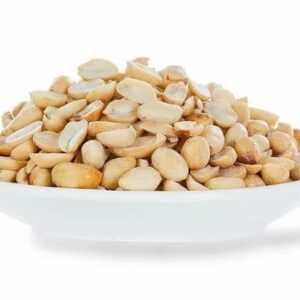
Peanuts Plain ( Momphalli Maghaz) -500gm
Original price was: ₨ 800.₨ 760Current price is: ₨ 760. -
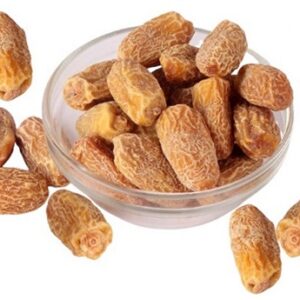
Red Dried Dates (Nar Chuara) 500-Gm
₨ 500 -
Almonds Australian (Badam) 500-Gm
Original price was: ₨ 1,450.₨ 1,400Current price is: ₨ 1,400. -
Walnuts Giri (Akhrot) – 500 Gm
Original price was: ₨ 1,750.₨ 1,500Current price is: ₨ 1,500. -
Cashews Roasted (KAJOO) -500gm
Original price was: ₨ 3,100.₨ 3,000Current price is: ₨ 3,000. -
Raisins Red Afghani (Kishmish) 500-Gm
Original price was: ₨ 600.₨ 580Current price is: ₨ 580. -
Raisins Black (Kala drak- Mazari) 500-Gm
Original price was: ₨ 750.₨ 700Current price is: ₨ 700. -
Raisins Irani (Kishmish) 500-Gm
Original price was: ₨ 600.₨ 550Current price is: ₨ 550. -
Walnuts Kaghzi (American Akhrot) -500gm
Original price was: ₨ 900.₨ 800Current price is: ₨ 800. -
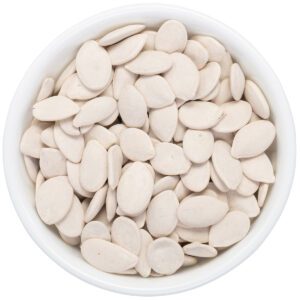
Pumpkin Seeds Namkeen – 500gm
Original price was: ₨ 1,200.₨ 700Current price is: ₨ 700.

Factors Influencing Dry Fruit Prices Today
Several elements drive the current market:
- Imports and Currency — Pakistan relies heavily on imports from Afghanistan (pistachios, almonds, walnuts), Iran (pistachios, figs), and the USA (almonds, cashews). Rupee stability affects costs.
- Seasonal Demand — Winter boosts consumption for warmth, energy, and immunity. Prices often peak in November–January but ease slightly by late February.
- Inflation & Economy — Ongoing economic pressures have kept many items elevated compared to previous years, though some like chilgoza saw recent drops due to better supply.
- Quality Variations — Premium/organic or large-sized nuts cost more. Local sourcing (e.g., Balochistan or northern areas) can offer better deals.
- Regional Differences — In Quetta (close to borders), Afghan-origin items may be cheaper/fresher. Karachi/Lahore markets have wider variety but sometimes higher retail markups.
Why Dry Fruits Remain Popular in Pakistan
Despite rising prices, dry fruits are a staple:
- Health Benefits — Rich in healthy fats, protein, fiber, vitamins, and antioxidants. Almonds aid heart health, pistachios help control weight, walnuts support brain function, and dates provide quick energy.
- Cultural Role — Essential in gift boxes (dry fruit hampers), winter munchies (with chai), and recipes like sheer khurma, zarda, or trail mixes.
- Value for Money — A small daily handful delivers nutrition that justifies the cost compared to processed snacks.
Tips for Buying Dry Fruits Smartly in 2026
- Buy from reputable sellers (online like Bombay Dry Fruits, Khan Dry Fruit, or local trusted shops) to avoid adulteration.
- Opt for seasonal bulk buys when prices dip.
- Check for freshness: Good dry fruits should not be too dry/oily or have off smells.
- Compare online vs. local mandi prices—delivery convenience often makes online worthwhile.
- Store properly in airtight containers in cool places to maintain quality.
In summary, dry fruits in Pakistan today remain a worthwhile investment for health and tradition, even as prices hover in premium ranges due to global and local factors. Whether you’re in Quetta enjoying fresh Afghan supplies or ordering nationwide, choosing quality ensures the best value.