

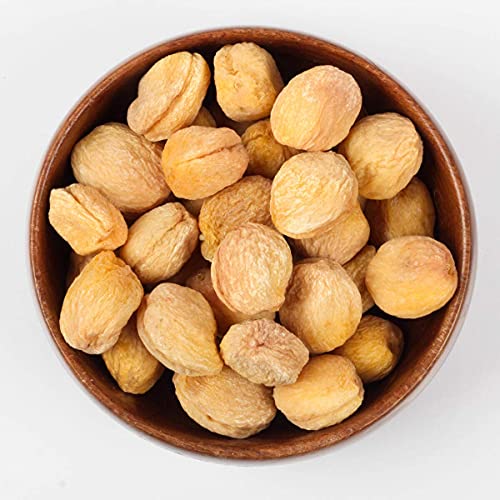
Dried apricots, often called apricot dry fruits, are one of the most popular and versatile dry fruits worldwide. These chewy, sweet treats come from fresh apricots that have been dehydrated, concentrating their natural flavors and nutrients. Unlike fresh apricots, which are seasonal, dried versions offer year-round availability and a longer shelf life. Whether you’re snacking straight from the pack or adding them to meals, apricot dry fruits deliver a burst of sweetness without refined sugars when chosen unsweetened.
What makes dried apricots stand out among other dry fruits? Their vibrant orange color hints at high levels of beta-carotene and other antioxidants. People often turn to them as a healthy alternative to candy or processed snacks. In this post, we’ll explore the nutrition facts, key health benefits, comparisons with fresh apricots, practical uses, and tips for incorporating apricot dry fruits into your daily routine.
Nutritional Profile of Dried Apricots
Understanding the nutrition of dried apricots helps explain why they’re considered a superfood-like dry fruit. Per 100 grams of dried apricots (unsulfured, unsweetened varieties preferred), you typically get:
- Calories: Around 241 kcal
- Carbohydrates: 63-64g (mostly natural sugars at ~53g)
- Fiber: 7.3g (a standout amount for digestion)
- Protein: 3.4g
- Fat: Just 0.5g (very low)
- Potassium: Over 1,100-1,880mg (impressive for heart and muscle support)
- Iron: 2.7-4.1mg (great plant-based source)
- Vitamin A (from beta-carotene): High levels, often equivalent to thousands of IU
- Other notables: Magnesium, calcium, phosphorus, and small amounts of vitamin E and B vitamins.
A small serving (about 30g or 8-10 halves) provides roughly 70-80 calories, making it a satisfying yet light option. The drying process removes water, concentrating nutrients — meaning dried apricots often pack more fiber, potassium, and iron per bite than fresh ones. However, natural sugars concentrate too, so portion control matters, especially for blood sugar management.
Top Health Benefits of Apricot Dry Fruits
Best selling products
-
Chamri Apricots (KHOBANI) -500gm
Original price was: ₨ 400.₨ 350Current price is: ₨ 350. -
Dry Figs (Enjeer) -1000GM
Original price was: ₨ 2,900.₨ 2,600Current price is: ₨ 2,600. -
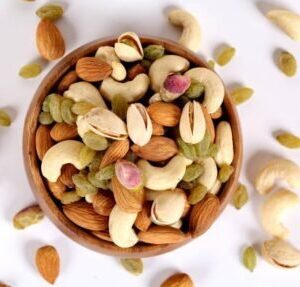
Mix Dried fruits -1kg
Original price was: ₨ 2,100.₨ 2,000Current price is: ₨ 2,000. -
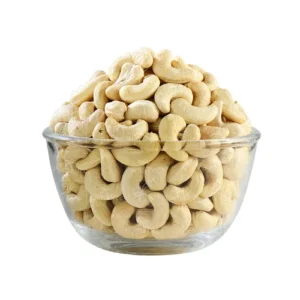
Cashews Indian (Kaju) -500GM
Original price was: ₨ 4,000.₨ 2,700Current price is: ₨ 2,700. -
Irani Dates (Kajoor) 500-Gm
₨ 600 -
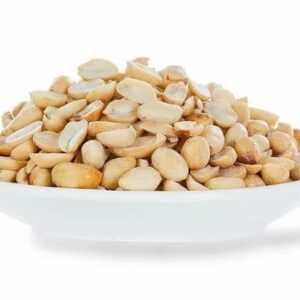
Peanuts Plain ( Momphalli Maghaz) -500gm
Original price was: ₨ 800.₨ 760Current price is: ₨ 760. -
Red Dried Dates (Nar Chuara) 500-Gm
₨ 500 -
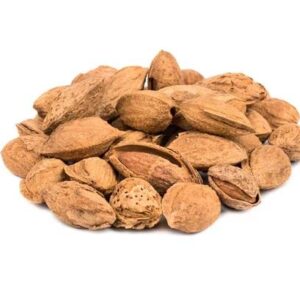
Almonds Australian (Badam) 500-Gm
Original price was: ₨ 1,450.₨ 1,400Current price is: ₨ 1,400. -
Walnuts Giri (Akhrot) – 500 Gm
Original price was: ₨ 1,750.₨ 1,500Current price is: ₨ 1,500. -
Cashews Roasted (KAJOO) -500gm
Original price was: ₨ 3,100.₨ 3,000Current price is: ₨ 3,000.

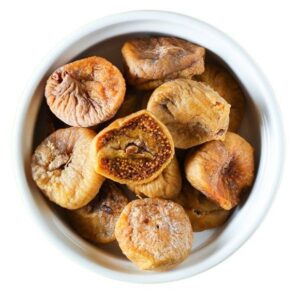

Apricot dry fruits offer numerous advantages backed by their nutrient density. Here are the main ones:
- Promotes Healthy Digestion High in both soluble and insoluble fiber, dried apricots help regulate bowel movements, prevent constipation, and support gut health. Fiber feeds beneficial bacteria and adds bulk to stool. Many people find a handful acts as a natural mild laxative.
- Supports Heart Health With abundant potassium, these dry fruits help balance sodium levels, reduce blood pressure, and ease strain on the heart. Antioxidants like flavonoids and beta-carotene fight inflammation and protect blood vessels.
- Boosts Iron Levels and Prevents AnemiaDried apricots provide a decent plant-based iron source, ideal for vegetarians or those with low levels. Pairing them with vitamin C-rich foods enhances absorption.
- Enhances Eye and Skin Health Beta-carotene converts to vitamin A, vital for vision and protecting eyes from age-related issues. Antioxidants also shield skin from UV damage, promote elasticity, and reduce signs of aging.
- Strengthens Immunity Vitamins A, C (though lower than fresh), and E, plus antioxidants, support immune function and combat oxidative stress.
- Aids Weight Management (in Moderation) Low in fat and high in fiber, they promote fullness. Their natural sweetness curbs cravings for junk food.
- Bone and Muscle Support Potassium, magnesium, and calcium contribute to strong bones and proper muscle function.
Studies link dried fruit consumption (including apricots) to better diet quality, higher nutrient intake, and even lower risks for certain conditions like type 2 diabetes when eaten mindfully.
Dried Apricots vs. Fresh Apricots: Key Differences
Fresh apricots shine with higher water content and vitamin C, but dried apricots win in concentration:
- Fiber: Dried versions have 3-4 times more.
- Minerals (iron, potassium): Much higher in dried.
- Calories/Sugar: Dried are denser, so smaller portions needed.
- Convenience: Dried last months without refrigeration.
Choose unsulfured apricot dry fruits (darker color) to avoid preservatives.
Creative Ways to Enjoy Apricot Dry Fruits
Dried apricots add tangy sweetness to many dishes:
- Snack plain or mix into trail mix with nuts.
- Chop and add to oatmeal, yogurt, or salads.
- Use in baking: Cookies, energy bars, or apricot bars with shortbread crust.
- Make homemade jam (just apricots, water, and sweetener).
- Stuff with cheese or nuts for appetizers.
- Add to tagines, stews, or rice pilafs for Middle Eastern flair.
- Blend into smoothies or sauces for meats like chicken.
Tips for Choosing and Storing
Opt for organic, unsulfured varieties without added sugar. Store in airtight containers in a cool, dry place — they last up to a year.
Potential Considerations
While beneficial, their natural sugars mean moderation (especially for diabetics). Start with 4-6 pieces daily.
In conclusion, apricot dry fruits are more than a tasty snack — they’re a nutrient-dense addition to a balanced diet. From digestion and heart support to skin glow and energy, the dried apricots benefits make them worth including regularly. Try them today and experience why this humble dry fruit has been cherished for centuries.