


Dry fruits have served as a staple in diets around the world for thousands of years. Removing most of the water content from fresh fruits, either naturally through sun-drying or with the help of dehydrators, creates these nutrient-dense foods. The process leaves a concentrated source of vitamins, minerals, fiber, and antioxidants that you can enjoy year-round. Whether you want a quick energy boost, a healthy snack alternative, or ingredients to enhance your meals, dry fruits offer incredible versatility and nutrition. Here are ten dry fruits you should add to your pantry.
1. Almonds
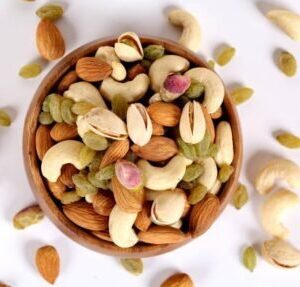
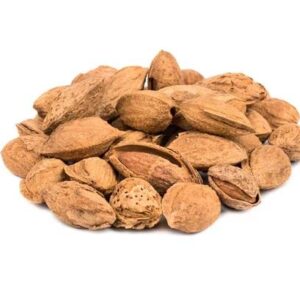
Almonds rank among the most widely consumed tree nuts globally. They contain abundant vitamin E, magnesium, and healthy monounsaturated fats. A small handful of almonds delivers a satisfying crunch along with nutrients that support heart health and maintain healthy skin. Many people enjoy almonds raw, roasted, or as almond butter. They also work wonderfully in baked goods, salads, and smoothies. Research links regular almond consumption to better cholesterol levels and improved blood sugar control.
2. Walnuts
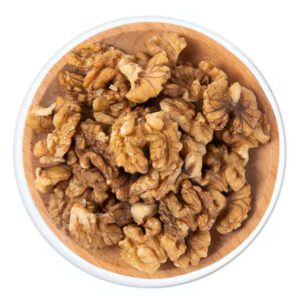
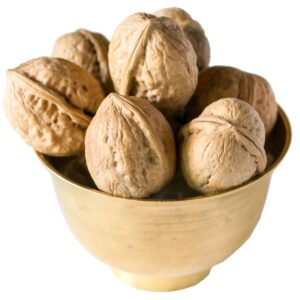
Walnuts stand out because they contain high levels of omega-3 fatty acids, a relatively rare feature among plant-based foods. These brain-shaped nuts carry a slightly bitter yet pleasant flavor and promote cognitive health. Walnuts contain polyphenols and antioxidants that reduce inflammation in the body. You can sprinkle chopped walnuts over oatmeal, blend them into pesto, or simply eat them as an afternoon snack. Their unique texture and rich taste make them a favorite in both sweet and savory dishes.
3. Cashews
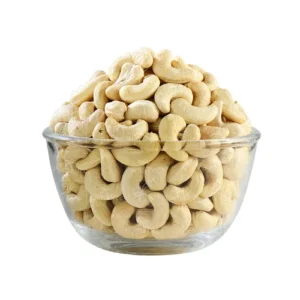
Cashews offer a creamy, slightly sweet taste and originated in Brazil, though farmers now grow them in several tropical regions. They contain less fat than many other nuts and provide a good amount of copper, which supports immune function and energy production. Cashews prove incredibly versatile in the kitchen. You can blend them into creamy sauces, add them to stir-fries, or grind them into cashew butter. Their mild flavor makes them an excellent base for dairy-free cheese alternatives and desserts.
4. Pistachios
Pistachios are vibrant green nuts encased in a beige shell. They pack protein, fiber, and potassium. What makes pistachios particularly interesting is that they contain antioxidants like lutein and zeaxanthin, which promote eye health. Because they require shelling, pistachios also help with mindful eating, slowing down consumption and increasing satisfaction. They add beautiful color and crunch to rice dishes, ice cream, and baked treats.
5. Dates
Dates are naturally sweet fruits that come from the date palm tree. They provide an excellent source of natural sugars, making them a perfect alternative to refined sugar in many recipes. Dates contain high amounts of fiber, potassium, and several B vitamins. Medjool and Deglet Noor are two of the most popular varieties. You can stuff dates with nuts, blend them into energy balls, or chop them into tagines and salads. Their caramel-like flavor makes them a favorite in healthy desserts.
Best selling products
-
Chamri Apricots (KHOBANI) -500gm
Original price was: ₨ 400.₨ 350Current price is: ₨ 350. -
Dry Figs (Enjeer) -1000GM
Original price was: ₨ 2,900.₨ 2,600Current price is: ₨ 2,600. -
Mix Dried fruits -1kg
Original price was: ₨ 2,100.₨ 2,000Current price is: ₨ 2,000. -
Cashews Indian (Kaju) -500GM
Original price was: ₨ 4,000.₨ 2,700Current price is: ₨ 2,700. -

Irani Dates (Kajoor) 500-Gm
₨ 600 -
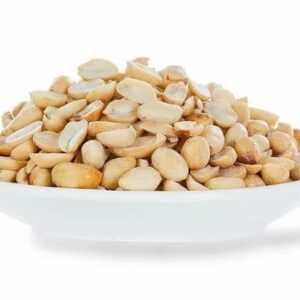
Peanuts Plain ( Momphalli Maghaz) -500gm
Original price was: ₨ 800.₨ 760Current price is: ₨ 760. -
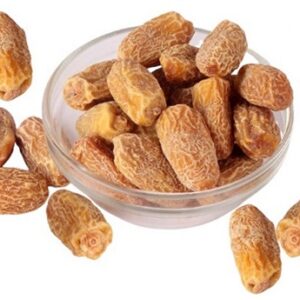
Red Dried Dates (Nar Chuara) 500-Gm
₨ 500 -
Almonds Australian (Badam) 500-Gm
Original price was: ₨ 1,450.₨ 1,400Current price is: ₨ 1,400. -
Walnuts Giri (Akhrot) – 500 Gm
Original price was: ₨ 1,750.₨ 1,500Current price is: ₨ 1,500. -
Cashews Roasted (KAJOO) -500gm
Original price was: ₨ 3,100.₨ 3,000Current price is: ₨ 3,000. -
Raisins Red Afghani (Kishmish) 500-Gm
Original price was: ₨ 600.₨ 580Current price is: ₨ 580. -
Raisins Black (Kala drak- Mazari) 500-Gm
Original price was: ₨ 750.₨ 700Current price is: ₨ 700. -
Raisins Irani (Kishmish) 500-Gm
Original price was: ₨ 600.₨ 550Current price is: ₨ 550. -
Walnuts Kaghzi (American Akhrot) -500gm
Original price was: ₨ 900.₨ 800Current price is: ₨ 800. -
Pumpkin Seeds Namkeen – 500gm
Original price was: ₨ 1,200.₨ 700Current price is: ₨ 700.




6. Raisins
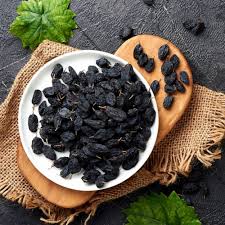
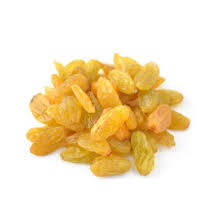
Raisins are dried grapes, and they rank among the most affordable and accessible dry fruits available. Despite their small size, they contain rich amounts of iron, calcium, and boron, a mineral that supports bone health. Raisins add natural sweetness to cereals, granola bars, and baked products like muffins and bread. They also make a popular addition to savory rice dishes and stuffings. Because they are dried, raisins have a longer shelf life than fresh grapes while retaining much of the nutritional value.
7. Dried Apricots
Dried apricots are bright orange fruits with a tangy-sweet flavor. They contain particularly high levels of vitamin A, which is essential for vision and immune function, and they also provide a good dose of dietary fiber. The natural sugars in dried apricots make them an excellent quick energy source. They work well in trail mixes, compotes, and Middle Eastern-inspired dishes. When purchasing dried apricots, choose varieties without added sulfur dioxide if you prefer a more natural product.
8. Figs
Figs have a unique chewy texture and a sweet, earthy taste. People have cultivated figs for thousands of years, making them one of the oldest cultivated fruits. Consumers prize them for their calcium and fiber content. Dried figs especially benefit digestive health due to their natural laxative properties. You can enjoy them on their own, add them to cheese boards, or incorporate them into breads and pastries. Soaking dried figs overnight makes them even softer and easier to digest, which many people prefer.
9. Prunes
Prunes are dried plums, most commonly made from European plum varieties. They famously support digestive regularity because of their high fiber and sorbitol content. Beyond digestion, prunes contain rich amounts of vitamin K, potassium, and antioxidants that support bone health. Studies suggest that regular prune consumption may help maintain bone density, especially in older adults. You can eat prunes whole, stew them, or puree them into sauces and smoothies.
10. Dried Cranberries
Dried cranberries are tart, slightly sweet berries that add a burst of flavor to any dish. They are well known for their potential role in urinary tract health due to compounds that prevent bacteria from adhering to bladder walls. Dried cranberries also contain rich amounts of vitamin C and various antioxidants. They commonly appear in salads, baked goods, and granola mixes. Because they are quite tart, many commercial varieties contain added sugar, so you should check the label if you are monitoring sugar intake.
How to Include Dry Fruits in Your Diet
Adding dry fruits to your daily routine is simple. You can create custom trail mixes, blend them into smoothies, chop them into morning oatmeal, or use them as toppings for yogurt and salads. Because dry fruits pack a lot of calories into a small serving, portion control matters. A small handful or about a quarter cup typically makes a reasonable serving size. Store them in airtight containers in a cool, dry place to maintain freshness and prevent spoilage.
Final Thoughts
Dry fruits serve as nature’s convenient, nutritious snacks. From heart-healthy almonds to fiber-rich prunes, each variety brings its own set of benefits and flavors. By incorporating a mix of these ten dry fruits into your diet, you can enjoy better health while satisfying your cravings for something sweet and wholesome. Choose unsweetened and minimally processed options whenever possible to get the most nutritional value from these ancient, time-tested foods.