


(February 2, 2026) remain high due to inflation, with almonds ranging between ₨820–₨940 per kg, walnuts around ₨850 per kg, pistachios ₨1,800 per kg, and chilgoza pine nuts reaching ₨1,750–₨1,980 per kg. Peanuts are the most affordable option at about ₨200 per kg, making them the go-to choice for middle-class households
Dry fruits price in Pakistan today are a staple of Pakistani households, especially during winter. They are not only a source of warmth and energy but also a symbol of hospitality. However, in 2026, inflation has significantly impacted dry fruit affordability, making them a luxury for many families. This blog explores the current dry fruit prices in Pakistan, reasons behind the surge, and tips for smart buying.
Current Dry Fruit Prices in Pakistan (February 2026)
| Dry Fruit | Price Range (₨ per kg) | Notes | |
|---|---|---|---|
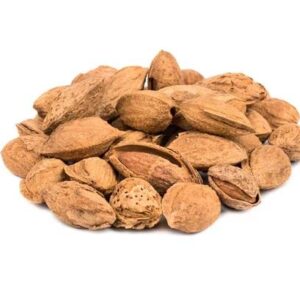
| Almonds (Desi Badam) | 820 – 940 | Local & imported varieties available | |
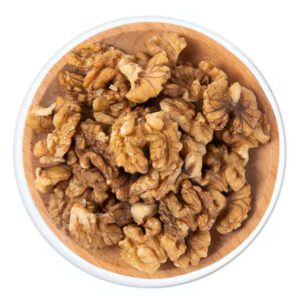
| Walnuts (Akhrot) | 850 – 1,000 | Premium quality slightly higher | |
| Pistachios (Pista) | 1,800 – 2,150 | Imported, high demand | |
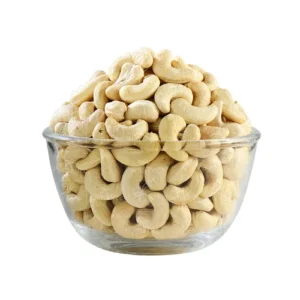
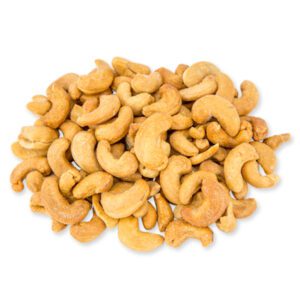
| Cashews (Kaju) | 1,020 – 1,400 | Roasted salted cashews cost more | |
| Chilgoza (Pine Nuts) | 1,750 – 1,980 | Most expensive dry fruit | |
| Figs (Anjeer) | 875 – 1,050 | Popular for medicinal use | |
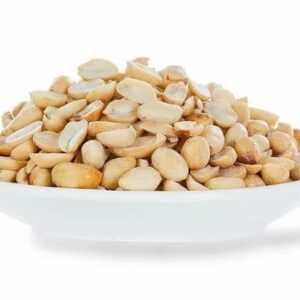
| Peanuts | ~200 | Most affordable option | |
| Dates (Khajoor) | 300 – 600 | Prices vary by quality and origin |
Best selling products
-
Chamri Apricots (KHOBANI) -500gm
Original price was: ₨ 400.₨ 350Current price is: ₨ 350. -
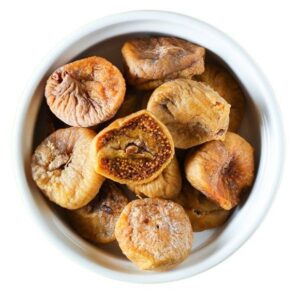
Dry Figs (Enjeer) -1000GM
Original price was: ₨ 2,900.₨ 2,600Current price is: ₨ 2,600. -
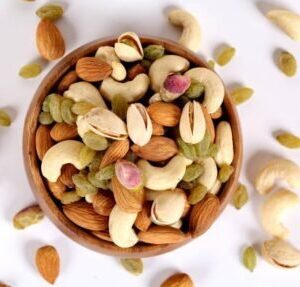
Mix Dried fruits -1kg
Original price was: ₨ 2,100.₨ 2,000Current price is: ₨ 2,000. -
Cashews Indian (Kaju) -500GM
Original price was: ₨ 4,000.₨ 2,700Current price is: ₨ 2,700. -
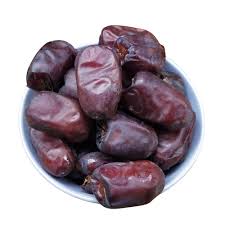
Irani Dates (Kajoor) 500-Gm
₨ 600 -
Peanuts Plain ( Momphalli Maghaz) -500gm
Original price was: ₨ 800.₨ 760Current price is: ₨ 760. -
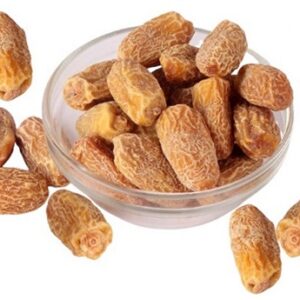
Red Dried Dates (Nar Chuara) 500-Gm
₨ 500 -
Almonds Australian (Badam) 500-Gm
Original price was: ₨ 1,450.₨ 1,400Current price is: ₨ 1,400. -
Walnuts Giri (Akhrot) – 500 Gm
Original price was: ₨ 1,750.₨ 1,500Current price is: ₨ 1,500. -
Cashews Roasted (KAJOO) -500gm
Original price was: ₨ 3,100.₨ 3,000Current price is: ₨ 3,000.

Factors Behind Rising Prices
- Inflation & Currency Devaluation: Import costs for almonds, pistachios, and cashews have risen.
- Supply Chain Disruptions: Seasonal shortages and transport costs add pressure.
- High Demand in Winter: Consumption peaks during cold months, pushing prices upward.
- Export Quality Preference: Premium varieties are often exported, leaving fewer affordable options locally.
Impact on Consumers
- Middle-class families are shifting towards peanuts and dates as affordable alternatives.
- Luxury dry fruits like chilgoza and pistachios are now reserved for special occasions.
- Health-conscious buyers still prefer almonds and walnuts despite high prices due to their nutritional value.
Smart Buying Tips
- Buy in bulk from wholesale markets to save costs.
- Choose local varieties (Desi Badam, Pakistani walnuts) instead of imported ones.
- Look for seasonal discounts in Bachat Bazaars and online stores.
- Store properly in airtight containers to avoid wastage.
Conclusion
Dry fruits remain an essential part of Pakistani culture, but their rising prices in 2026 have turned them into a luxury for many households. While peanuts and dates provide affordable alternatives, almonds, walnuts, and chilgoza continue to symbolize premium quality and tradition. For budget-conscious families, smart shopping strategies can help balance nutrition and affordability.